Building a Microsoft Stores Minecraft Workshop
Learning & Readiness • Program Management • Instructional Design • Inclusive Experience Design
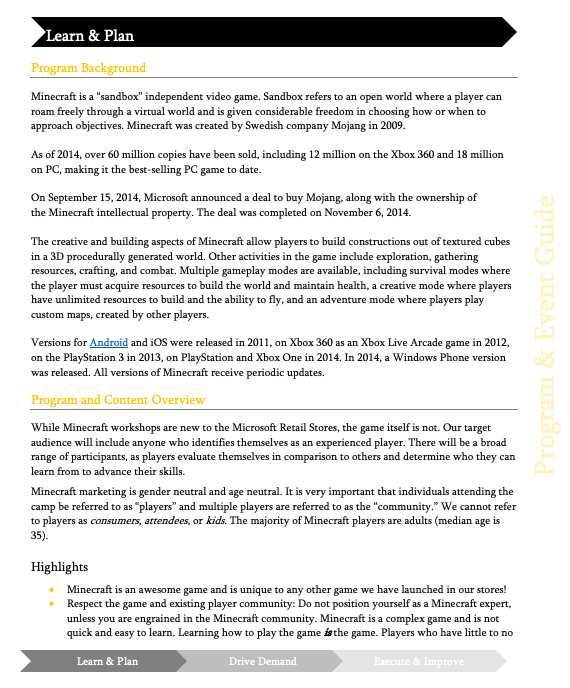
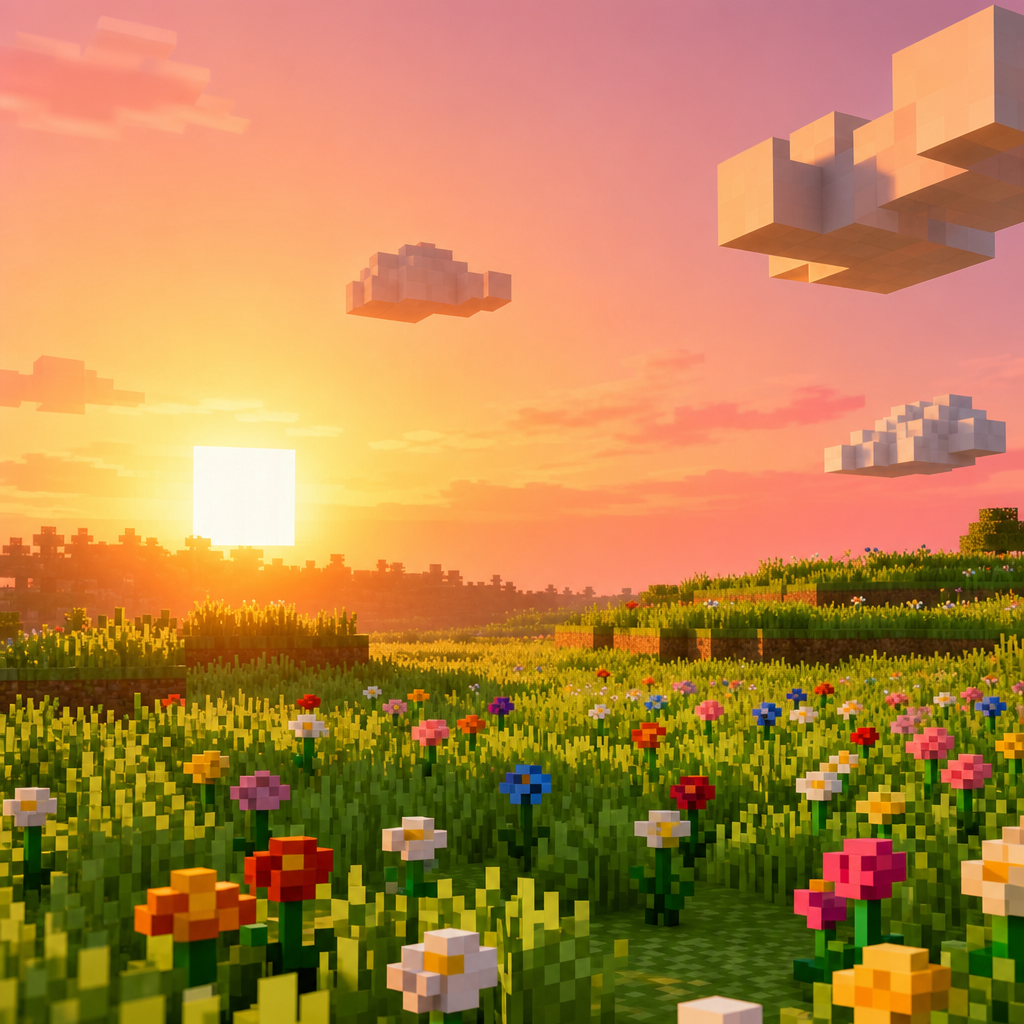
I led the end-to-end development of the Microsoft Stores Computer Expert Workshop, a hands-on learning experience built around Minecraft: Education Edition. The program combined instructional design, marketing communications, and operational planning to create a scalable workshop that could be delivered consistently across approximately 73 Microsoft Store locations while helping students build confidence with technology.
Understanding the Opportunity
Before developing the workshop, I researched youth technology programs offered both inside and outside Microsoft. One pattern stood out: programs designed for boys frequently emphasized technical skills like programming and game design, while programs designed for girls often focused on collaboration, creativity, or friendship.
Those early learning experiences matter. They influence how young people see themselves and whether they believe they belong in technology.
Rather than creating separate learning paths, I wanted to design a program where technical skills were simply the expectation for everyone.
Designing for Scale
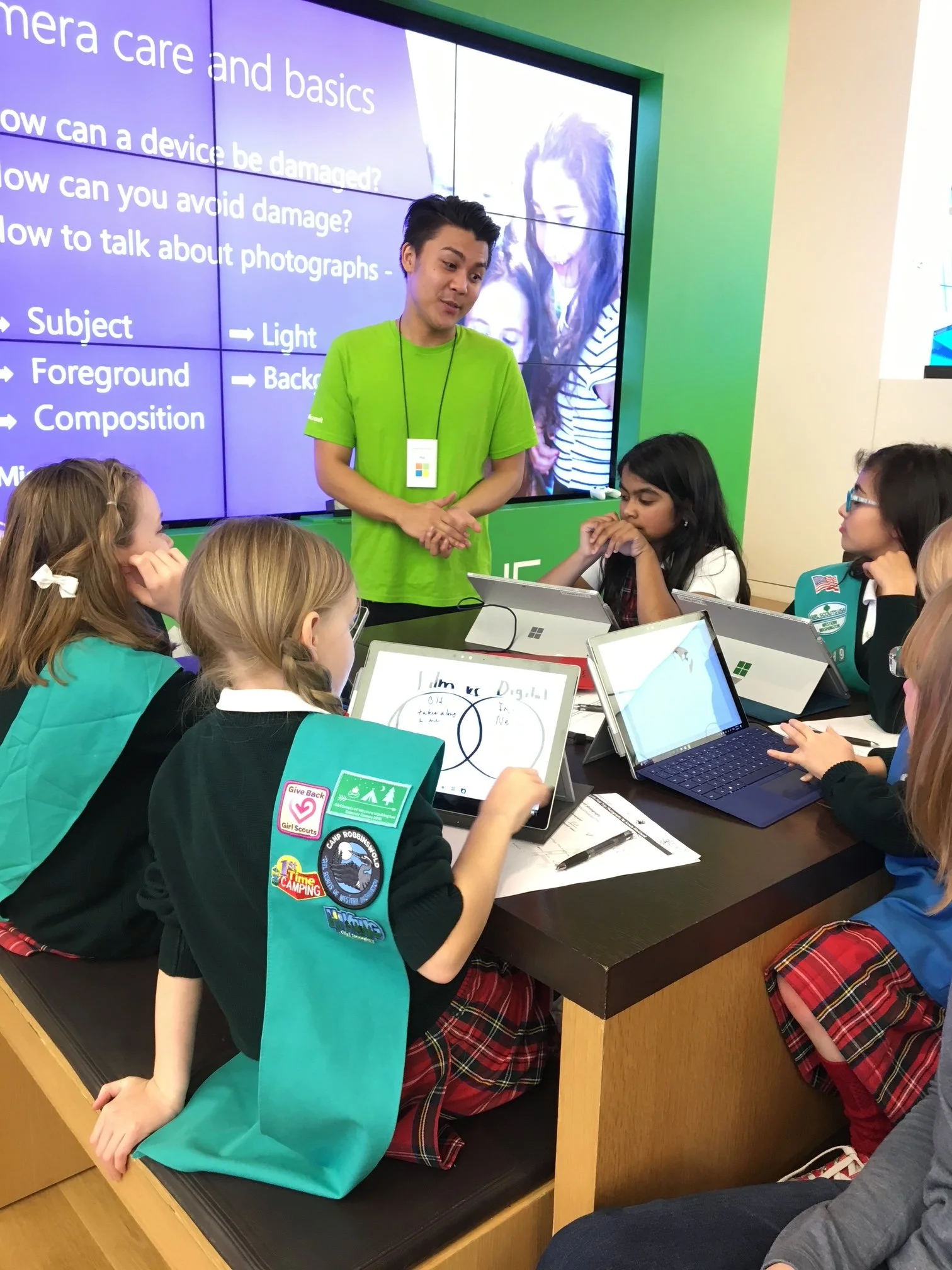
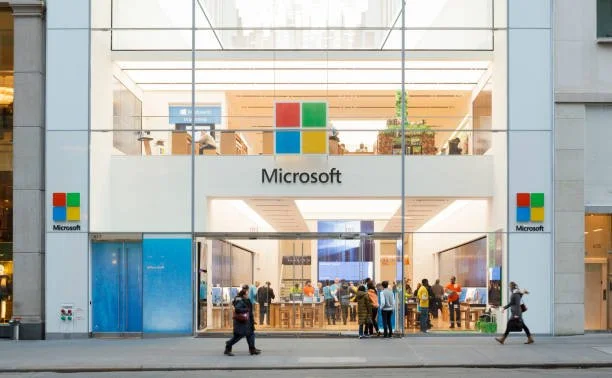
Creating engaging workshop content was only part of the challenge. The program also needed to work inside a busy retail environment and be simple enough for store associates to facilitate with confidence.
I developed the participant curriculum, facilitator guide, training materials, event playbook, communications, and operational framework needed to support a consistent experience across stores. Every decision focused on reducing complexity while making the workshop engaging, approachable, and easy to deliver.
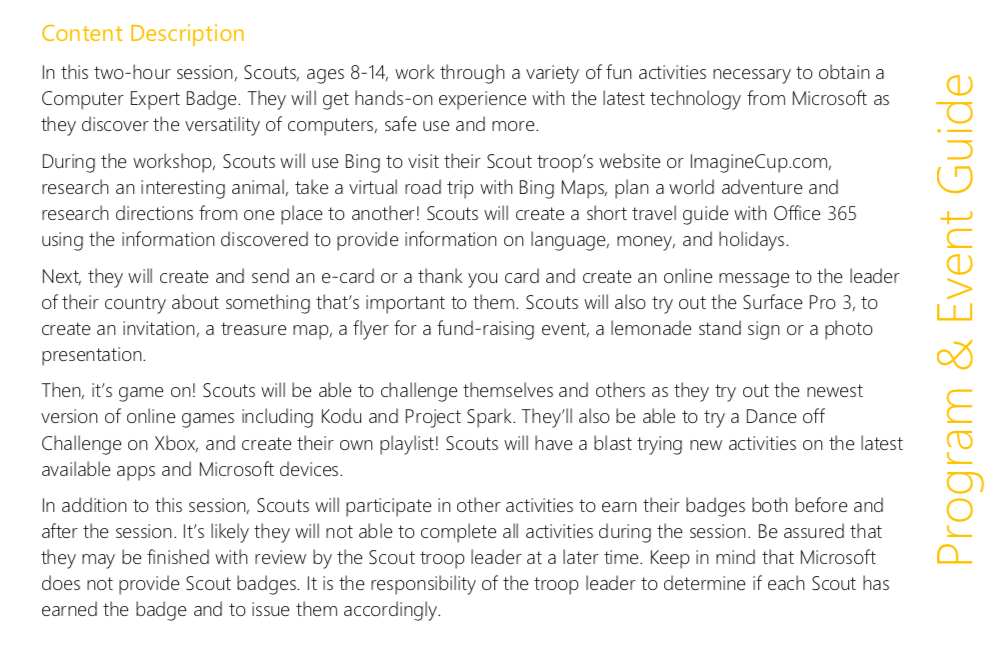
Students completed hands-on activities in Minecraft: Education Edition that satisfied official Computer Expert badge requirements while introducing Microsoft technology in a learning environment rather than a sales environment.
Building an Inclusive Experience
Inclusivity wasn't treated as a separate feature. It became part of the design itself.
Workshop materials used gender-neutral language, focused on technical problem-solving rather than stereotypes, and could be delivered to Girl Scouts, Boy Scouts, schools, libraries, and other youth organizations without modification.
The objective wasn't simply to make the workshop accessible. It was to make every student feel like technology was a place where they belonged.
Creating a Repeatable Program
I approached the rollout like a product launch.
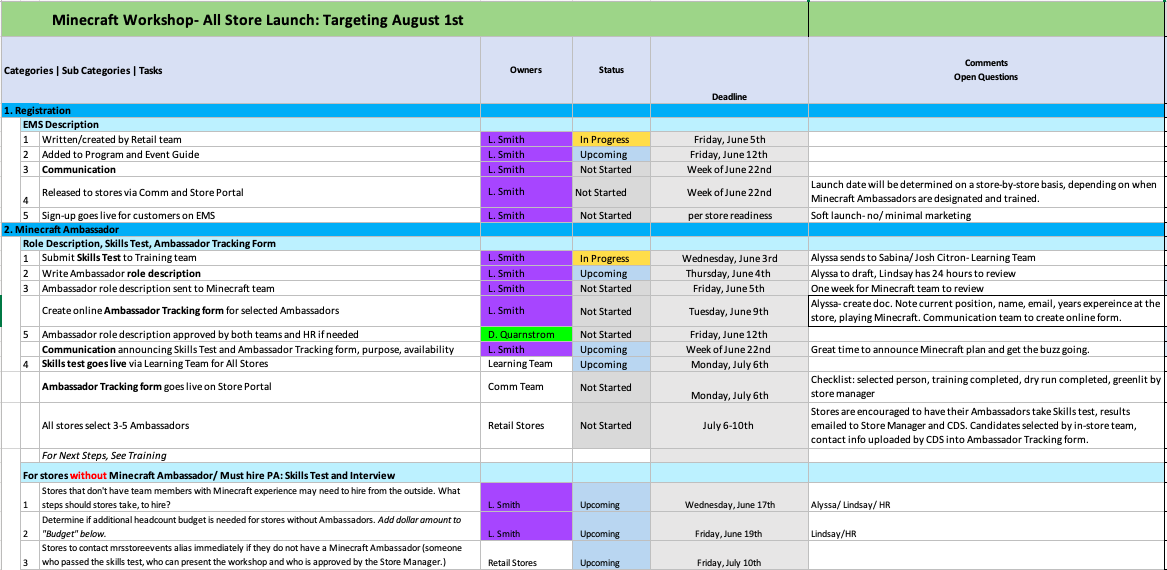
Alongside the workshop curriculum, I developed facilitator resources, delivery standards, communications, and implementation guidance so stores could reproduce the same high-quality experience without rebuilding the program from scratch.
Like many of the programs I've created throughout my career, success depended less on the workshop itself than on the systems supporting it.
Results
The final program gave Microsoft Stores a scalable community learning experience that strengthened relationships with local schools and youth organizations while introducing students to Microsoft technology through hands-on exploration rather than product demonstrations.
Students completed badge requirements, built practical technical skills, and gained confidence using technology in a welcoming environment. Store teams received a repeatable program that could be delivered consistently across locations with minimal operational overhead.
While Microsoft did not publish global participation numbers, a program designed for approximately 73 stores had the potential to reach tens of thousands of students annually through repeated local workshops.
What I Took Away
This project reinforced several lessons that continue to shape how I design programs today.
The most effective learning experiences remove barriers rather than adding them. Inclusive design works best when it feels natural, not performative. And the most scalable programs aren't necessarily the most complex; they're the ones that make it easy for others to deliver a great experience.
Looking back, I'm most proud that this project combined three things I care deeply about: education, technology, and creating opportunities for young people to discover what they're capable of.
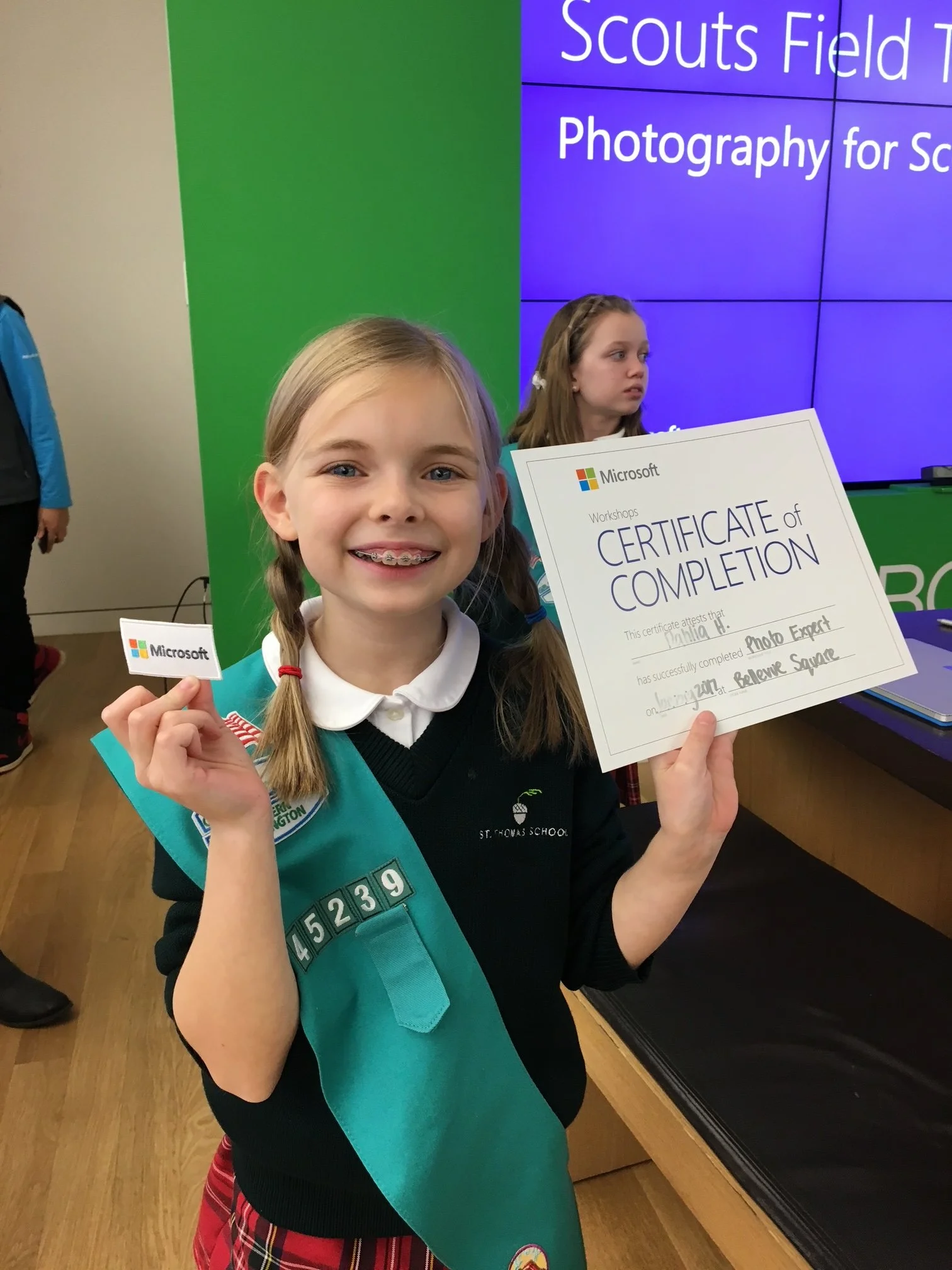
MARKETING
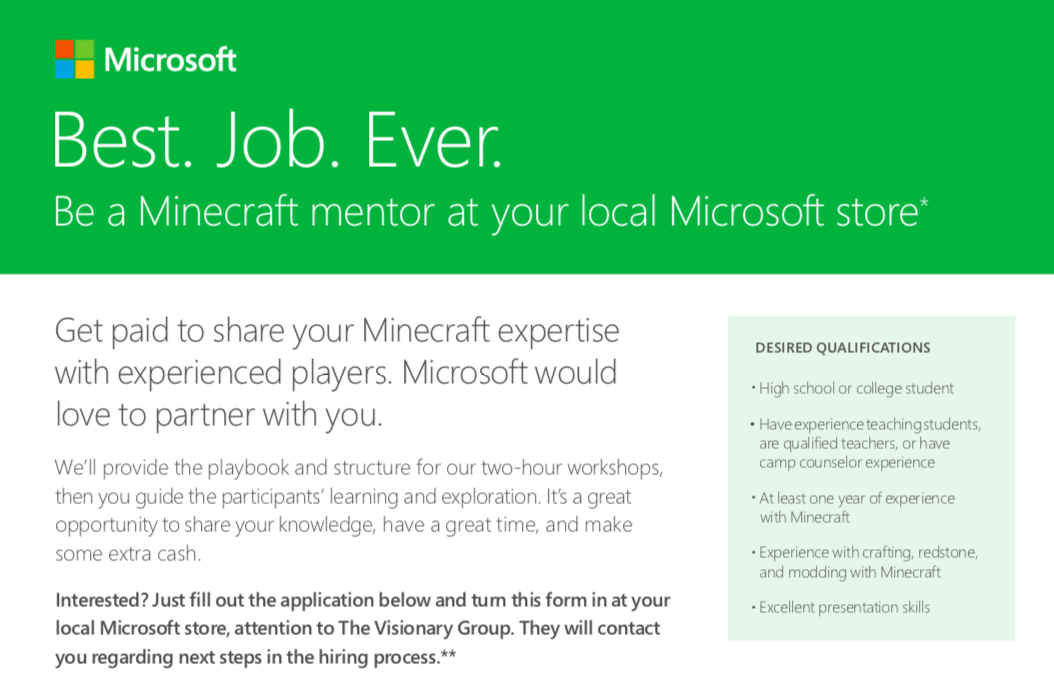
INSTRUCTIONAL DESIGN
PROGRAM MANAGEMENT
EVENT GUIDE